


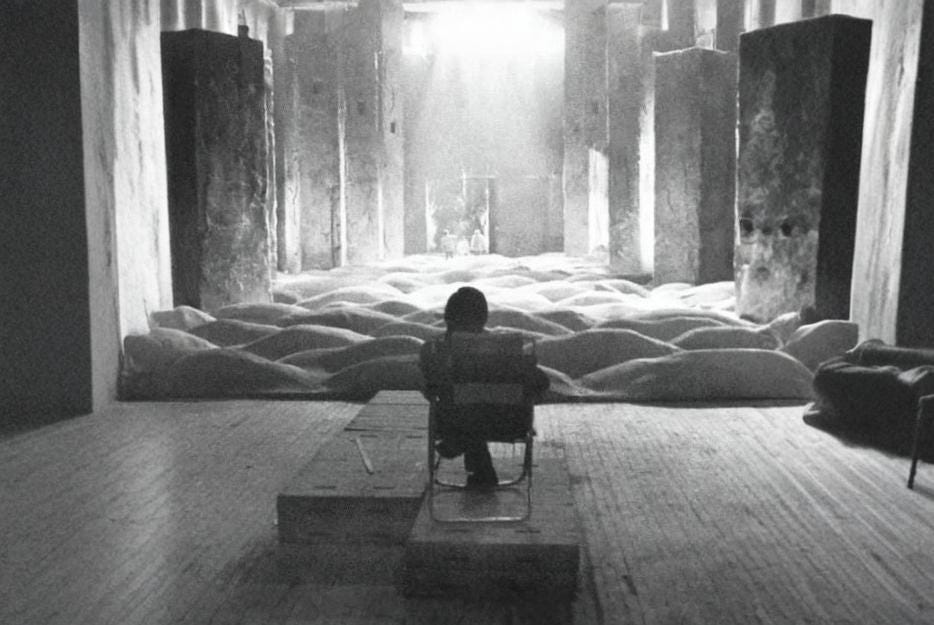
Ingmar Bergman once described Nostalghia and The Sacrifice as “films à la Tarkovsky.” What he recognised was a fundamental shift in cinema itself—creation of a new film language, one that no longer treated life as something to be explained or narrated, but as something to be apprehended as vision, as dream. This achievement, Bergman believed, secured Tarkovsky’s place in film history, and it is precisely this quality that continues to draw both audiences and filmmakers who seek forms of cinema that resist the shallowness of the global mainstream.
Bergman described his first encounter with Tarkovsky’s work as nothing short of miraculous. It felt, he said, like standing before the door of a room he had always longed to enter, a room whose key had never been available to him, and discovering that Tarkovsky was already inside, moving with complete freedom. The experience was both encouraging and unsettling. Here was someone articulating, with extraordinary precision, what Bergman himself had sensed for years but had never known how to express.
