

Francis Bacon’s Unique Intellectual Life
| Pt. 4 of 4 | Reading as a studio practice

Slow Looking 2026 | Slow Looking February: Francis Bacon | Ways of Looking
Across the previous posts, we have watched Bacon’s work assemble itself through an obsessive search for a new technical synthesis that can carry over from the sensation to our nervous system. Bodies were enclosed, distorted, repeated, space tightened. Time suspended, refusing to resolve into narrative. What remains is to ask how Bacon learned to tolerate that demand himself. He did not do so through theory, or through systems of explanation. He did it, quietly, through reading.
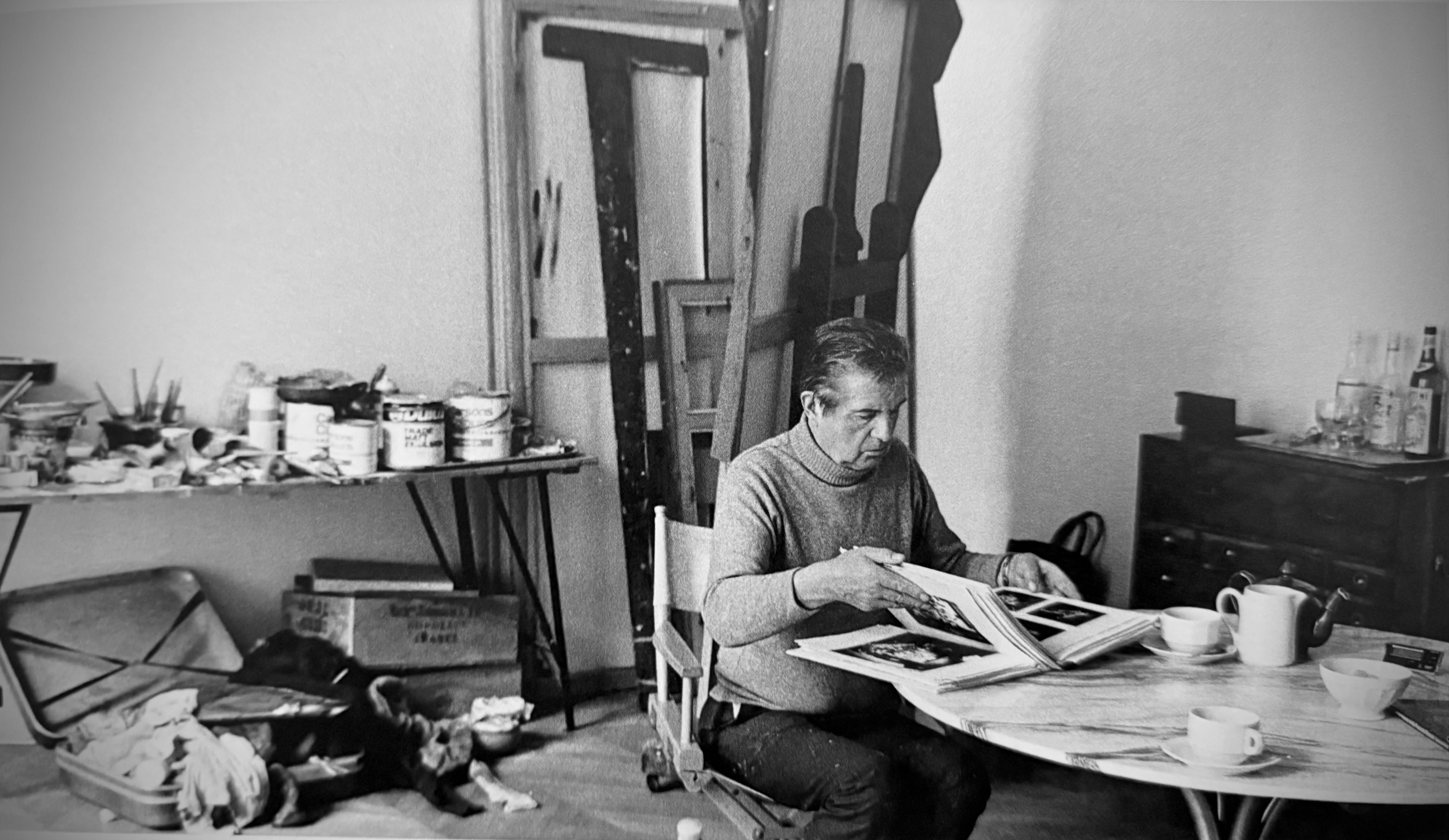
What follows below:
How and why Bacon had an intellectual private life that other creative people did not have | Why Bacon read: Aeschylus | Nietzsche | Bataille | Leiris | Conrad | Eliot, and why we should read them.
Bacon’s library reconstruction | Research architecture | A printable Bacon bookmark | A look at my Bacon shelf | End-of-series reflections and what comes next
